

Insurance Claim Delays Create Roofing Backlogs Across Michigan Following Severe Weather Events

Residential roof impacted by repeated storm events across Southeast Michigan.
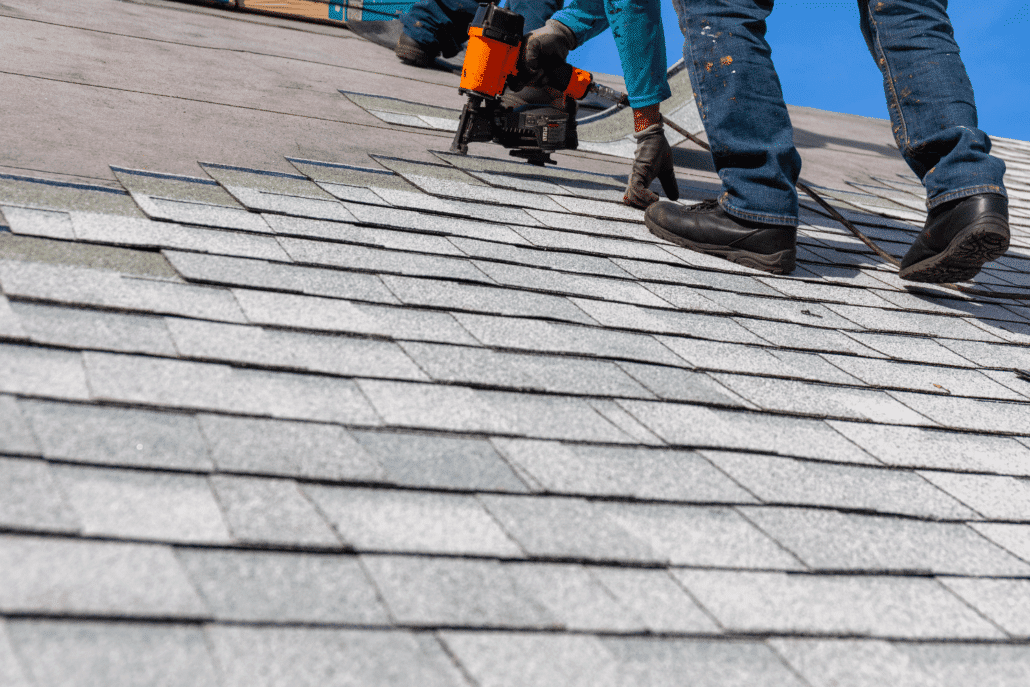
Contractors installing asphalt shingles during a residential roof replacement project.
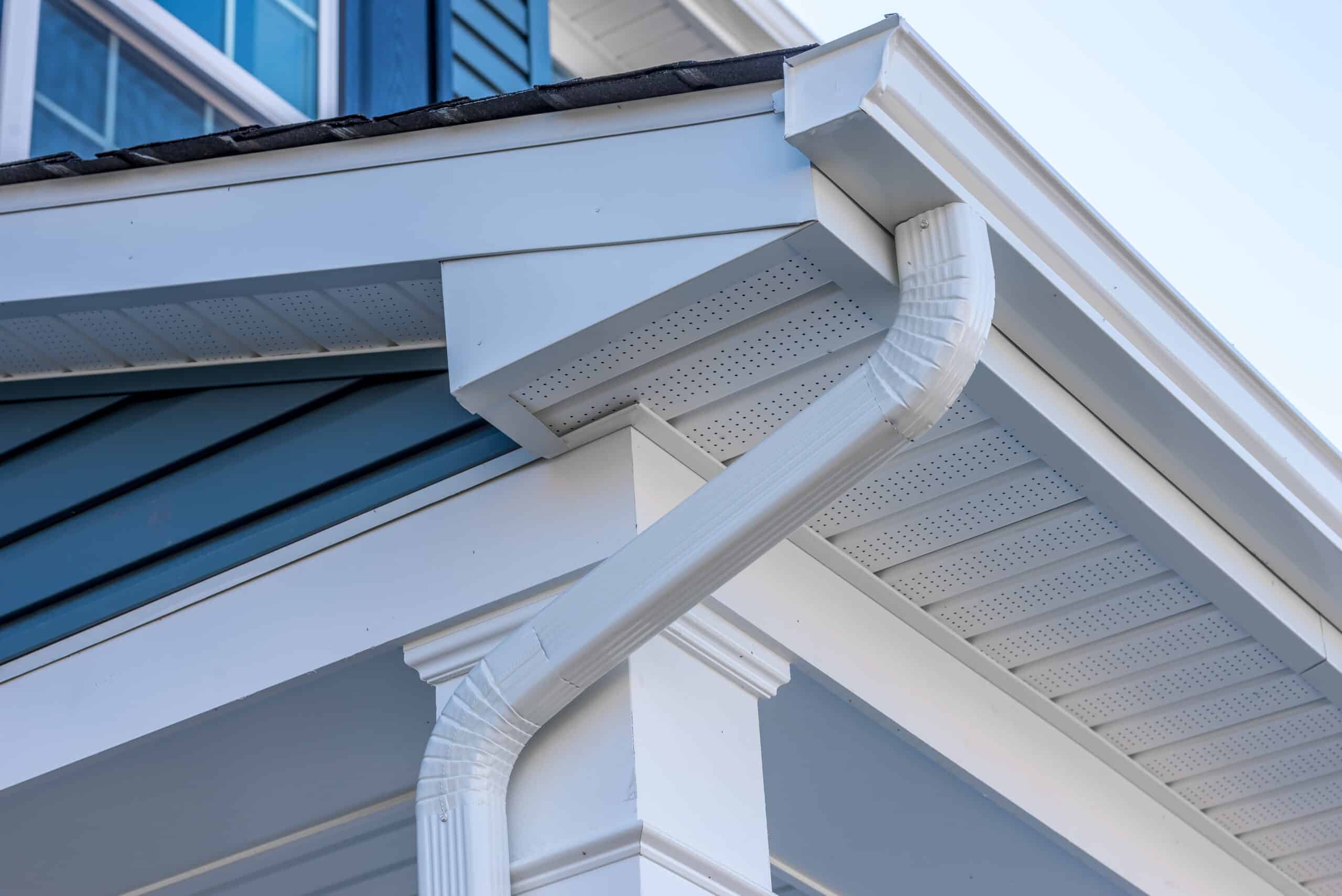
Gutter system installation designed to manage roof runoff and stormwater drainage.
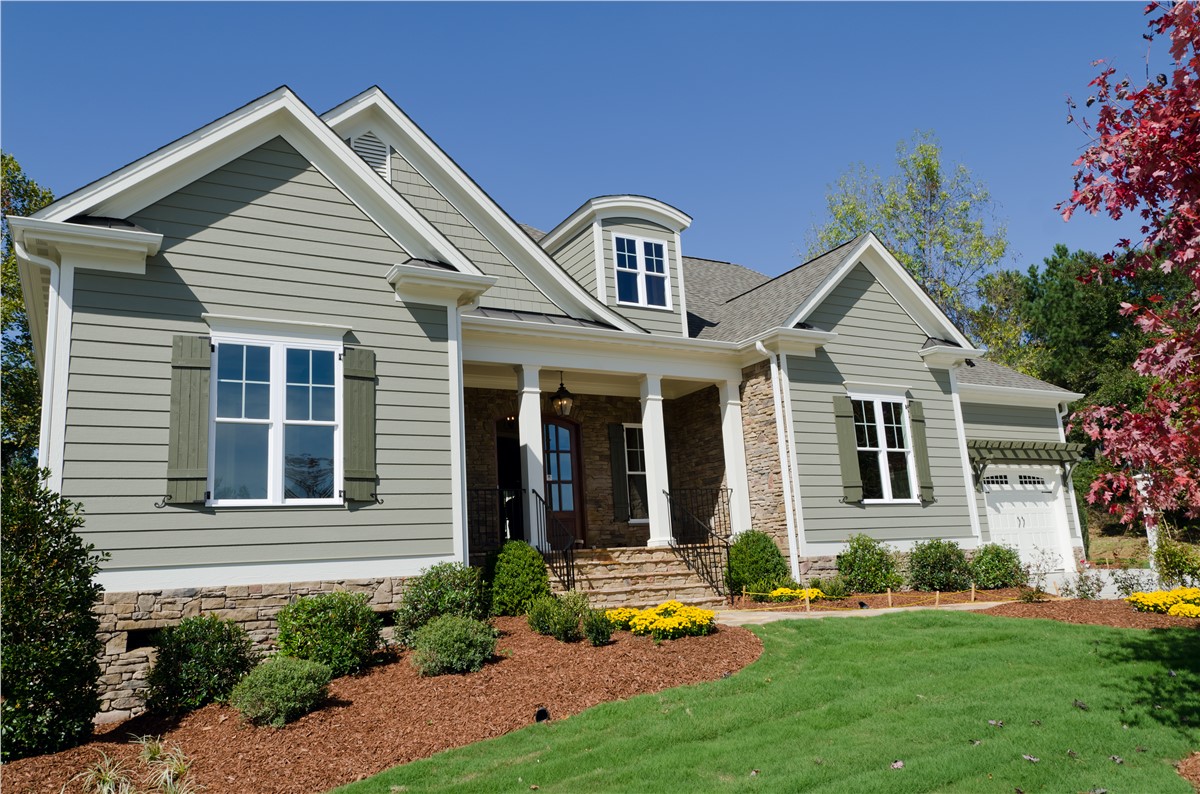
Residential exterior improvements completed alongside roofing system upgrades.
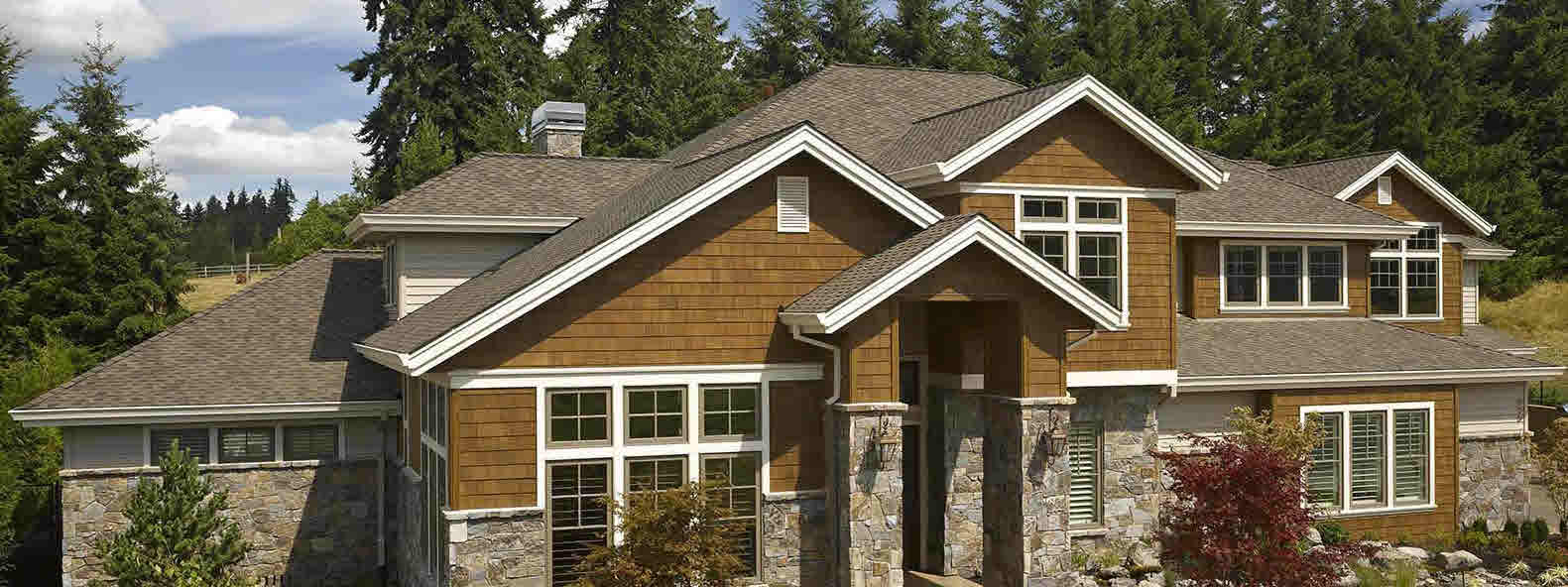
Completed roofing project following storm-related repair and replacement work.
Inspection bottlenecks, approval timelines, and contractor demand are extending recovery periods for homeowners following severe weather damage.
Approval timelines, inspection bottlenecks, and contractor demand are creating extended recovery windows for homeowners navigating post-storm roof damage.
Across Michigan, an increase in severe weather events combined with evolving insurance processes is contributing to longer recovery timelines for homeowners dealing with roofing damage. High winds, hailstorms, and seasonal temperature swings have produced a steady rise in roofing-related insurance claims, placing pressure not only on insurers but also on inspection networks and contractor availability.
Industry professionals report that the volume of claims filed following storm activity has grown significantly in recent years. While severe weather has always played a role in roofing damage, the frequency of overlapping storm events has introduced new logistical challenges. Homeowners may now experience multiple damaging weather incidents within the same inspection or claims window, complicating documentation and approval workflows.
Inspection Demand Is Outpacing Adjuster Availability
Following widespread storm activity, insurance carriers deploy adjusters to assess property damage across affected regions. However, when storm systems impact multiple counties simultaneously, the volume of inspection requests can exceed available adjuster capacity.
This inspection backlog often delays the initiation of the storm damage roof repair process, leaving homeowners waiting weeks—or in some cases months—for formal damage assessments. During this period, roofing systems may remain exposed to environmental elements, increasing the risk of secondary deterioration such as moisture intrusion, insulation damage, and interior water staining.
Contractors frequently provide temporary mitigation solutions where possible, but permanent repair work typically cannot begin until insurance determinations are finalized.
Documentation Requirements Add Additional Friction
Insurance carriers increasingly require detailed documentation to validate storm-related damage claims. Photographic evidence, weather event correlation, material condition reports, and prior maintenance records may all be requested as part of the review process.
While these requirements are designed to reduce fraudulent claims and ensure accurate coverage determinations, they also lengthen approval timelines. Homeowners unfamiliar with the documentation process may face delays simply due to incomplete submissions or scheduling constraints between inspectors and contractors.
The growing complexity of the storm damage roof repair process has made coordination between homeowners, contractors, and insurers more critical than ever before.
Contractor Backlogs Are Extending Project Start Dates
Even after claims are approved, homeowners may encounter additional delays tied to contractor availability. Severe weather events tend to create surges in regional repair demand, compressing scheduling windows for qualified roofing professionals.
Licensed crews capable of handling insurance-related work are often booked weeks in advance following large storm systems. Material procurement timelines, permit requirements, and labor coordination can further influence project start dates.
These conditions are reshaping expectations around roof replacement projects, which now frequently begin months after initial storm impact rather than within traditional repair windows.
Weather Overlap Compounds Recovery Timelines
One of the more challenging dynamics facing homeowners is the occurrence of subsequent storm events before initial repairs are completed. Additional damage can complicate claims, requiring supplemental filings or revised assessments.
This overlap may also influence roof replacement timelines, particularly when damage accumulates across multiple weather events. Contractors must evaluate whether partial repair remains viable or if full system replacement becomes necessary due to compounded structural exposure.
From an insurance perspective, layered claims introduce administrative complexity. From a homeowner perspective, they extend the period during which roofing systems remain vulnerable.
Aging Housing Stock Intensifies Insurance Volume
Michigan’s aging housing inventory continues to play a role in claim frequency. Older roofing systems often lack modern impact-resistant materials and fastening technologies, making them more susceptible to storm damage.
As these structures face repeated weather exposure, the volume of insurance-related repair and replacement claims is expected to remain elevated. This has reinforced demand for licensed roofing professionals experienced in navigating both structural repairs and insurance coordination.
Homeowners are increasingly seeking guidance from licensed roofing contractors who understand the documentation, inspection, and approval processes required to move projects forward efficiently.
Preventative Planning Is Gaining Attention
In response to extended recovery timelines, preventative planning strategies are gaining traction. Homeowners are placing greater emphasis on post-storm inspections, documentation archiving, and proactive maintenance to streamline future claims if additional weather events occur.
Roof rejuvenation treatments, targeted repairs, and reinforcement measures are being used to maintain system integrity while insurance processes unfold. These preventative approaches can reduce the risk of secondary damage and help stabilize roofing systems during approval delays.
Housing Resilience Conversations Continue to Expand
As Michigan continues to experience weather volatility, roofing recovery logistics are becoming part of broader housing resilience discussions. Municipal planners, insurers, and contractors are exploring ways to reduce bottlenecks through improved inspection workflows, digital documentation tools, and enhanced coordination between stakeholders.
For homeowners, understanding how insurance timelines intersect with repair logistics is becoming an essential component of property stewardship. Awareness of inspection processes, contractor availability, and material lead times can help set realistic expectations following severe weather events.
As storm activity persists, the intersection of insurance systems and roofing recovery is expected to remain a defining factor in how residential maintenance cycles evolve across the region.
Scott Kincaide
Kincaide Roofing And Rejuvenation
+1 734-789-4817
email us here
Visit us on social media:
Facebook
YouTube
Other
Understanding the Roofing Insurance Claim Process After Storm Damage
Legal Disclaimer:
EIN Presswire provides this news content "as is" without warranty of any kind. We do not accept any responsibility or liability for the accuracy, content, images, videos, licenses, completeness, legality, or reliability of the information contained in this article. If you have any complaints or copyright issues related to this article, kindly contact the author above.
