

Model 298 Delivers 8 Tons of Impact Force in a Compact, Durable, Efficient and Reliable Package — Automated Part Marking
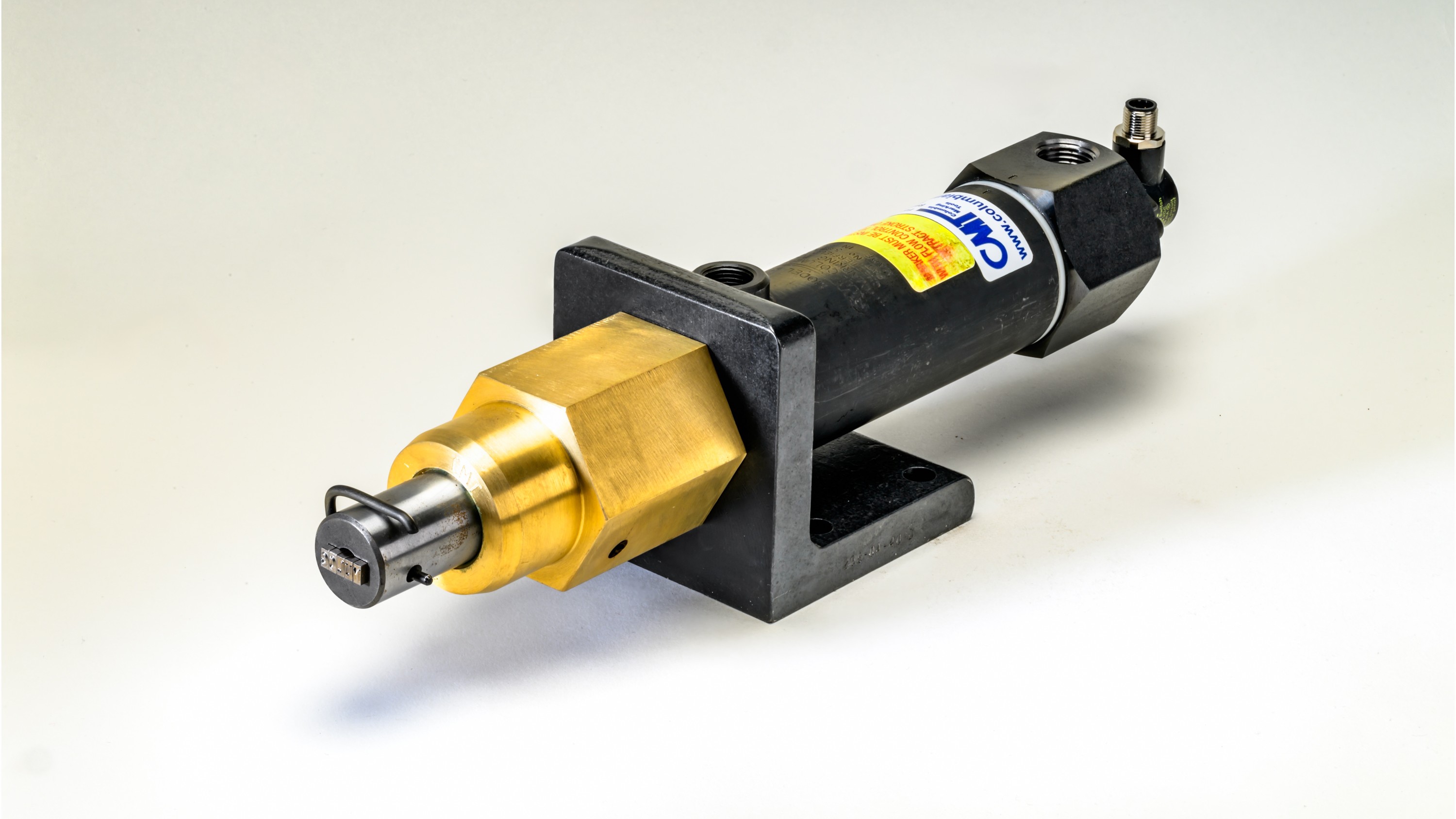
Model 298
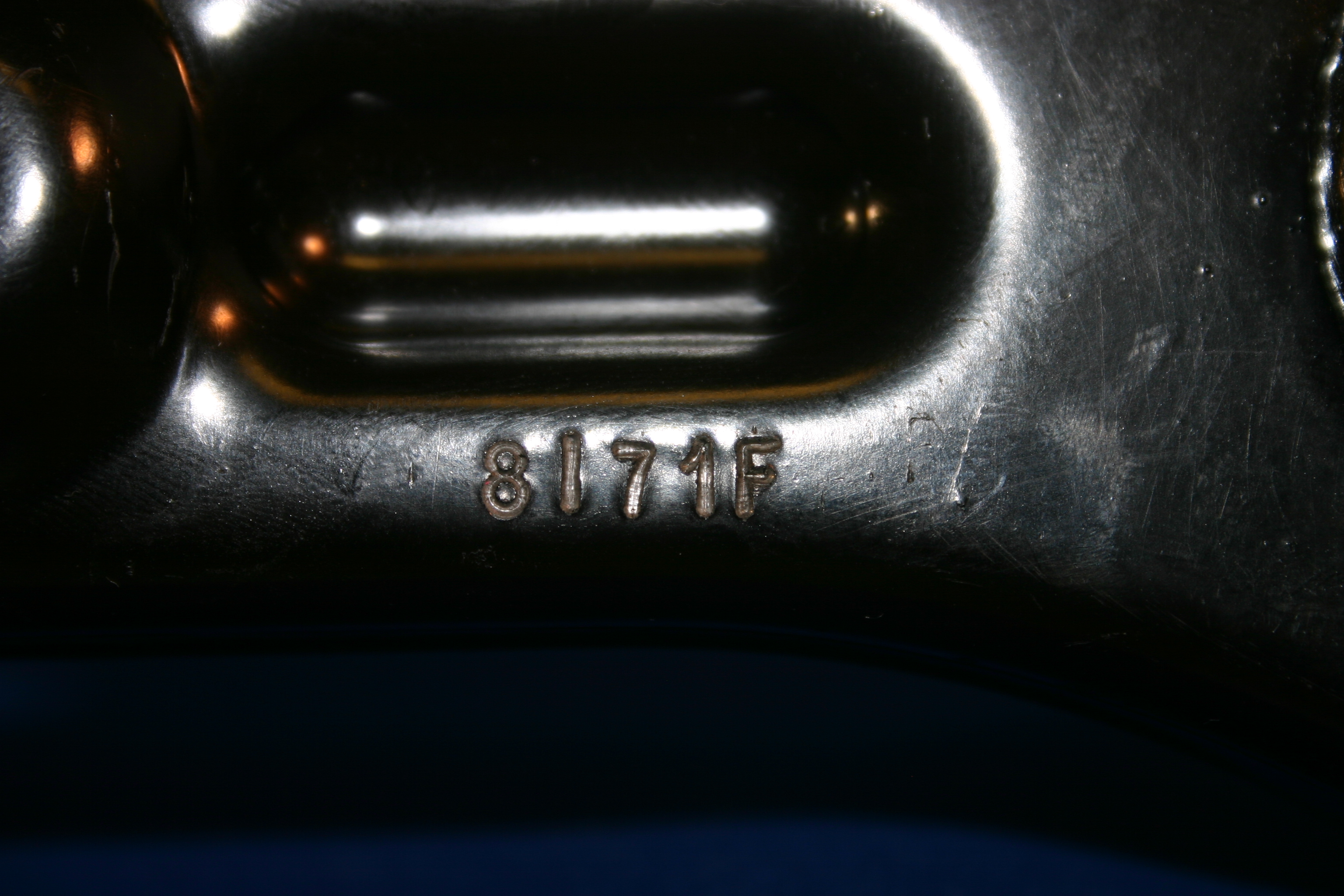
Model 298 part mark

CMT helping you make your mark!
The Model 298 combines 16,000 pounds of impact force with a compact footprint to help manufacturers improve traceability and automation.
The discussion surrounding industrial marking technology often focuses on one specification above all others: force. The ability to create a deep, permanent impression on hardened steel, forgings, or cast components remains an important requirement for many manufacturers. Yet production engineers are increasingly recognizing that force alone does not determine the effectiveness of a marking system. In automated manufacturing environments, reliability, repeatability, and long-term durability can be equally important, particularly when a single piece of equipment is expected to operate continuously for millions of production cycles.
Traditional pneumatic cylinders generate force through air pressure acting directly against a piston, making their output largely dependent on cylinder size and operating pressure. Increasing marking force has therefore historically required larger actuators or more complex hydraulic systems, both of which can introduce additional installation challenges within automated production cells. Air impact marking systems approach the problem differently by using controlled mass acceleration to convert stored kinetic energy into a concentrated impact at the precise moment the marking tool contacts the workpiece. The engineering principle allows significantly greater impact energy to be delivered without relying solely on static cylinder force, creating opportunities for permanent marking applications that would otherwise require substantially larger equipment.
One example of this approach is the Model 298 Double Acting Air Impact Marker manufactured by Columbia Marking Tools. Operating from standard industrial air supplies between 20 and 80 PSI, the system is engineered to generate approximately 16,000 pounds of impact force through its impact mechanism. While the Model 298 is one of the larger air impact markers within the company's product range, its force output relative to its physical size illustrates the efficiency of kinetic impact technology and its ability to deliver industrial-scale marking performance without the footprint typically associated with comparable conventional systems.
Although impact force attracts immediate attention, experienced manufacturing engineers often evaluate industrial equipment from a broader perspective. A marking system installed within an automated production line becomes part of a larger manufacturing process, where unscheduled downtime can have consequences far beyond the marking operation itself. Every interruption has the potential to reduce throughput, disrupt traceability records, and increase production costs. For that reason, equipment reliability has become an increasingly important design consideration as manufacturers continue investing in automation and lights-out manufacturing strategies.
Industrial air impact markers are frequently expected to operate under demanding conditions for extended periods while maintaining consistent mark quality and positional accuracy. Achieving that level of performance requires robust mechanical construction capable of withstanding repeated high-energy impacts without compromising alignment or operational consistency. Design features such as keyed, non-rotating rods, heavy-duty internal components, and double-acting pneumatic operation contribute to maintaining repeatable performance throughout prolonged production cycles. The availability of multiple stroke configurations further allows integration into automated systems where space constraints, tooling arrangements, and part geometries vary considerably from one application to another.
Beyond standard production environments, manufacturers increasingly require equipment capable of operating under specialized conditions. Corrosive atmospheres, non-lubricated air systems, and automated installations incorporating sensors for process verification and machine feedback have become more common as factories adopt greater levels of digital integration. Marking equipment must therefore provide not only sufficient impact energy but also the adaptability necessary to support evolving production technologies and increasingly sophisticated quality control systems.
The growing importance of permanent marking reflects broader changes occurring throughout global manufacturing. Digital traceability initiatives now extend well beyond simple serial number identification, encompassing batch tracking, process verification, date coding, shift identification, and lifecycle documentation that may remain relevant decades after a product leaves the factory. Permanent impressions must survive machining operations, heat treatment, coating processes, assembly, and years of field service while remaining legible for inspection, maintenance, and warranty purposes.
As manufacturers continue modernizing production facilities, the evaluation of industrial marking equipment is shifting from isolated performance metrics toward a more comprehensive assessment of long-term operational value. Impact force remains an essential characteristic, but equally important are durability, repeatability, integration with automation, and the ability to deliver dependable performance through years of continuous service. These considerations increasingly define the role of permanent marking systems within modern manufacturing, where productivity and traceability are closely interconnected.
The evolution of air impact marking technology reflects this changing perspective. Rather than pursuing higher force figures alone, manufacturers are placing greater emphasis on systems capable of combining substantial marking energy with industrial reliability and automation compatibility. As traceability requirements continue to expand across global supply chains, equipment designed to perform consistently under demanding production conditions is likely to remain an essential part of manufacturing operations, supporting the permanent identification standards upon which modern industry increasingly depends.
About Columbia Marking Tools
Columbia Marking Tools manufactures industrial marking and traceability equipment for manufacturers worldwide. Its product portfolio includes air impact markers, roll marking machines, numbering heads, embossing systems, and custom identification solutions used across the automotive, aerospace, defense, heavy equipment, and general manufacturing industries.
Michelle Krembel
Columbia Marking Tools
+1 586-634-2920
email us here
Visit us on social media:
LinkedIn
Bluesky
Instagram
Facebook
YouTube
X
Other
Model 298
Legal Disclaimer:
EIN Presswire provides this news content "as is" without warranty of any kind. We do not accept any responsibility or liability for the accuracy, content, images, videos, licenses, completeness, legality, or reliability of the information contained in this article. If you have any complaints or copyright issues related to this article, kindly contact the author above.
